Welcome to Weidong Machines
How to Choose a Tub Grinder for C&D Wood
A tub grinder for C&D wood should be selected only after the buyer separates recoverable wood from prohibited contaminants, measures the actual feed geometry, defines the required output and maps the complete work cell. A model decision based only on a nominal production claim leaves the largest project risks—mixed debris, loader limits, discharge handling, wear exposure and stopped time—outside the quotation.
Start with a written C&D wood acceptance boundary
Define which incoming materials are eligible: clean framing offcuts, pallets, crates, dimensional lumber or other approved wood fractions. List material that must remain outside the grinder, including unknown treated or painted wood, loose metal, concrete, masonry, wire, soil-rich sweepings and mixed debris that the receiving system cannot reliably separate. The exact outlet specification and local requirements remain controlling.
Record who inspects, sorts and releases each load. A supplier cannot select a defensible configuration when “construction wood” may mean anything from clean offcuts to demolition debris. Use the existing guide on handling complex raw materials to define the upstream boundary before comparing machines.
Measure geometry instead of using one average size
For representative released loads, record the longest, widest and thickest pieces; the fraction of long flexible boards; bundled or tangled items; fines; moisture condition; and any fasteners still permitted by the receiving rule. Photograph the sample with a scale reference. Note whether the loader can present individual pieces or must handle dense mixed grabs.
| Input variable | Why it matters | Evidence to request |
|---|---|---|
| Maximum and typical geometry | Influences presentation and bridging risk | Measured sample and photos |
| Contamination class | Changes inspection, wear and rejection exposure | Load-release record |
| Moisture and fines | Affects handling, recirculation and downstream storage | Documented sampling method |
| Loader grab and cycle | May limit the whole work cell | Timed representative trial |
| Required output | Controls screen and downstream decisions | Written acceptance method |
Compare the complete work cell
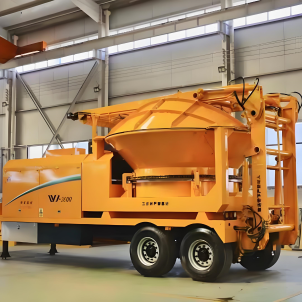
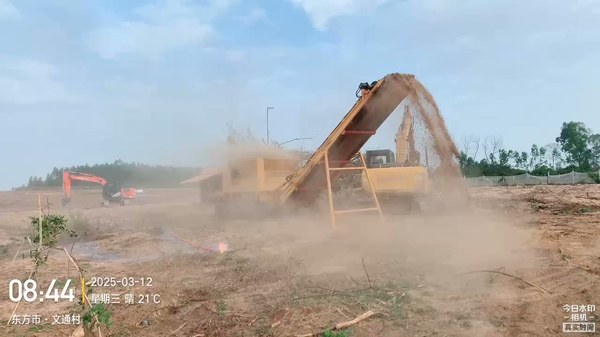
The grinder is one element. Include receiving, quarantine, sorting, preparation, loader travel, feed position, discharge clearance, conveyors, magnetic or other approved separation where applicable, output sampling and reject storage. Compare the tub grinder product family only after this layout is defined.
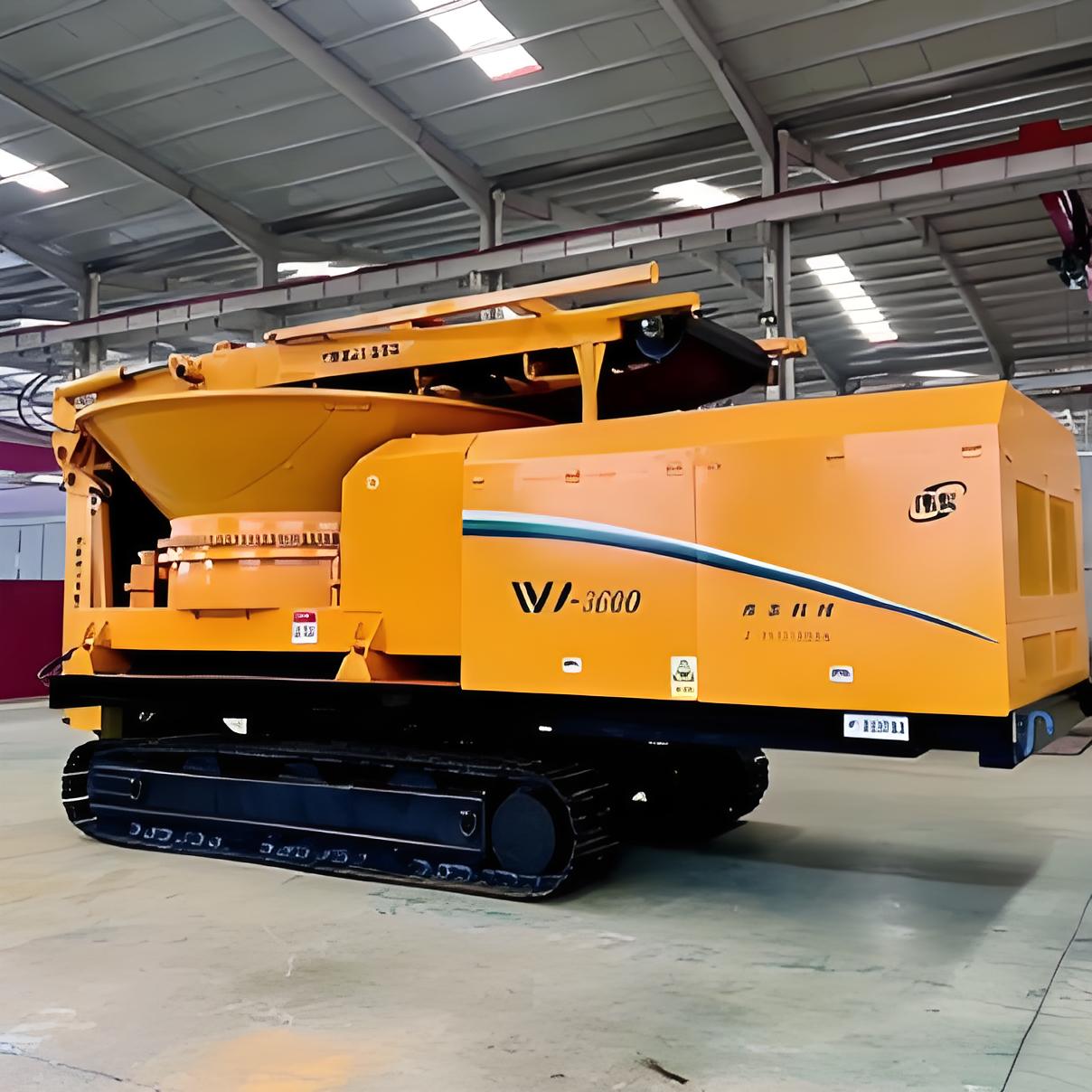
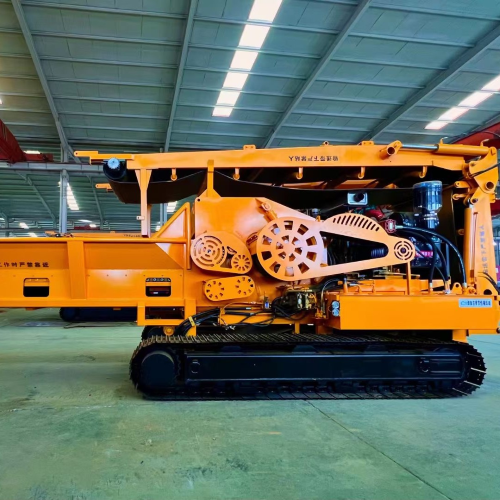
Ask whether the proposed chassis and service access fit the actual surface, relocation pattern and lifting resources. Review the trailer and crawler configuration factors. Do not assume that mobility solves poor access, soft ground or an unsafe loader route.
Turn production claims into a witnessed test plan
Specify representative lots, preparation rules, screen, loader, productive minutes, total elapsed minutes, stops, rejected material and accepted output. Report results as a range with conditions rather than one universal value. A short run with clean, uniform boards does not represent mixed demolition wood unless that is the contracted feed.
Measure gross and productive time separately. The site throughput test method provides a structure for time and mass records. Repeat the baseline when the source mix, preparation, screen, wear condition, loader or outlet specification changes materially.
Price wear, rejects and downtime as separate rows
Request quotations that separate routine service, wear parts, contamination events, cleaning, planned inspections, technician travel, critical spares and lost production. Unknown values need an owner, evidence source and review date—not a zero. The tub grinder operating-cost framework helps keep those boundaries visible.
Link every abnormal wear observation to a lot, feed presentation and event record. This is more useful than asking for a generic cost per ton that ignores contamination and output acceptance. For an engineering view of the work cell, review tub grinder system options for C&D wood.
Use a release checklist before purchase
Accepted and prohibited feed classes are written.
Representative geometry and contamination exposure are measured.
The receiving, sorting, loading and discharge layout is drawn.
Output quality and sampling method are agreed.
Gross time, productive time, stops and rejects are recorded separately.
Wear, service, spares and support are priced as traceable rows.
Open evidence has an owner and review date.
Request a configuration review with evidence
Send representative photographs, dimensions, load-release rules, site layout, loader information, target output and operating schedule through the WDMachines contact page. The goal is not a promise that every mixed load will behave the same way; it is a documented selection boundary that purchasing, operations, safety and engineering can verify.
Compare proposals with an evidence register
Create one register with the proposed configuration, claim, supporting document, project assumption, unresolved question, responsible reviewer and acceptance date. Separate supplier statements from buyer measurements. If a production, wear or service claim depends on clean lumber, state that boundary beside the number so it cannot later be applied to a mixed load.
Review the register with purchasing, operations, maintenance, safety and the output owner. Each group should sign only its own boundary. Purchasing confirms commercial scope; operations confirms material presentation; maintenance confirms access and support; safety confirms the applicable work procedures; the output owner confirms sampling and acceptance. A low purchase price should not close an unresolved material or site risk.
Plan the first thirty operating days
Define an initial observation window with identified lots, conservative release rules and frequent review. Track feed source, preparation, screen, loader, productive time, elapsed time, stops, rejects, accepted output, inspections and parts use. Review trends by lot rather than combining all C&D wood into one average.
At the end of the window, revise the receiving rule, spares level, inspection frequency and commercial model using recorded evidence. Preserve the original assumptions so changes remain auditable. This is the point where an estimate may become a site baseline; it is not a guarantee for future sources.